
Experiences are the Answer
But what was the question?

Luxury is slowing down.
According to Bain & Co., the personal luxury market shrank in 2024 and is projected to fall by another 2-5% this year. Its first major contraction since 2008 😱. Experiential luxury (e.g. travel, fine dining, wellness, luxury hospitality) is still doing well, particularly among older customers, outperforming personal products in Q1 2025.
BCG and Altagamma have another stat for us: 0.1% of top-tier clients are now driving 37% of the market’s value. The best performing luxury players already knew this (hello Mytheresa), but for many prestige and luxury brands, the knee-jerk reaction is clear:
Double down on the top tier. Focus on experiences.
But before you build another “immersive” moment or buzzy retail concept, take a pause. For the luxury customer I’ve found that there are three experience plays.
To reach the top-tier you need to understand the human needs that drive their engagement and focus your energy on experiences that fit best with your goals.
1. Connection: The Deepest Need
Behind every great luxury experience is a psychological truth: people crave connection. To others. To place. To self.
Whether it’s a multigenerational trip to Sweden, a collaborative giving platform, or an intimate dinner with kindred spirits in a hard to reach destination, these are the activities that create stories worth telling. And retelling.
BCG reports that 65% of top-tier luxury clients feel overwhelmed by impersonal outreach
Luxury’s top-tier want relevance and resonance - not another VIP box or souped-up shopping event. If creating these sorts of experiences is part of your raison d'être you’re half way there. If not, delivering them can be hard, requiring investment in time, people and infrastructure. The ultra-wealthy customer has deeply individual motivations and no amount of ‘personalisation’ is going to cut through in this space. But when you get it right, it will be worth the payback.
“What I want to know [when the invitation arrives] is ‘why is this right for me?’ Why are you inviting me over everyone else? If there isn’t something that I connect with [about the brand, experience or product] then it’s a turn off. Why would I spend my time doing that?”
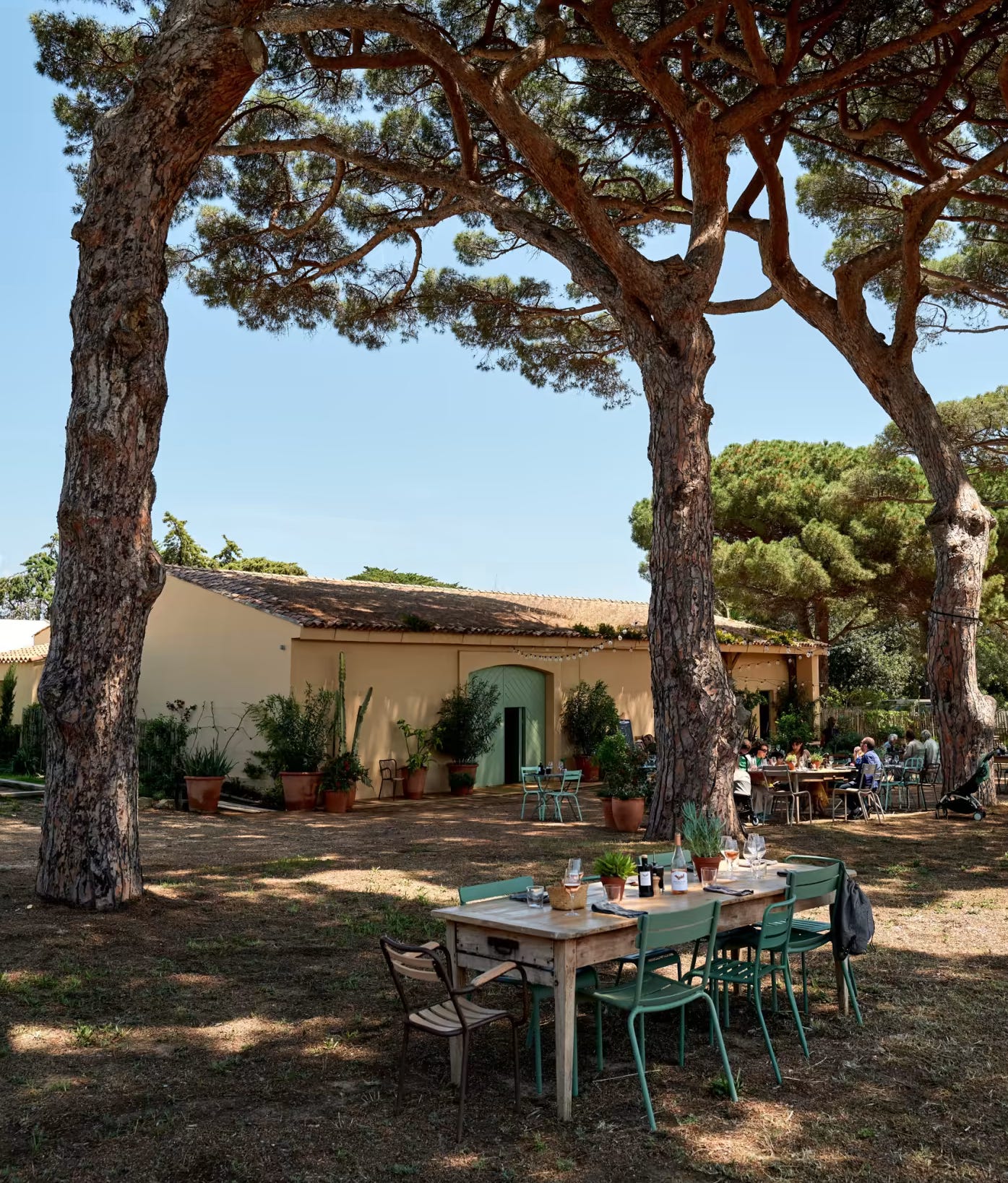
How do you get it right? I’m generally not a fan of the Four Seasons but their ‘Road to the Giorgio Armani Tennis Classic’ is worth a second look. Experiences that foster genuine connection - with family, legacy, culture, or a higher passion - build disproportionate loyalty.
2. Status: The Inner Signifier
It’s easy to sneer at the idea of status. It conjures up images of insecure consumers displaying garish symbols of wealth.
But to understand this audience, we need to begin with a different lens: status isn’t a vulgar word, it’s a primal human need. From Maslow’s hierarchy to the latest behavioural research on the loneliness epidemic, the data is clear: status (defined as being recognised, valued or respected within a group) is a universal psychological driver.
And for those with power (which wealth typically brings), that drive becomes even more acute. As the researchers behind The Psychology of Luxury Consumption1 explain:
“Power increases individuals’ need for uniqueness from [versus assimilation to] high-status others and ultimately boosts their desire for experiential [versus material] luxury because of its unique ability to satisfy uniqueness.”
Experiential luxury is the perfect vehicle for satisfying this need because of its ability to deliver “just for me”.
For luxury brands, delivering status shouldn’t be hard. Marrying brand traits like provenance, craftsmanship, or cultural cachet with the customer’s desire for access, discernment, and uniqueness is what the best already do. Just take a trip to the Hamptons in July; you’ll see these brand status-story moments in full swing.
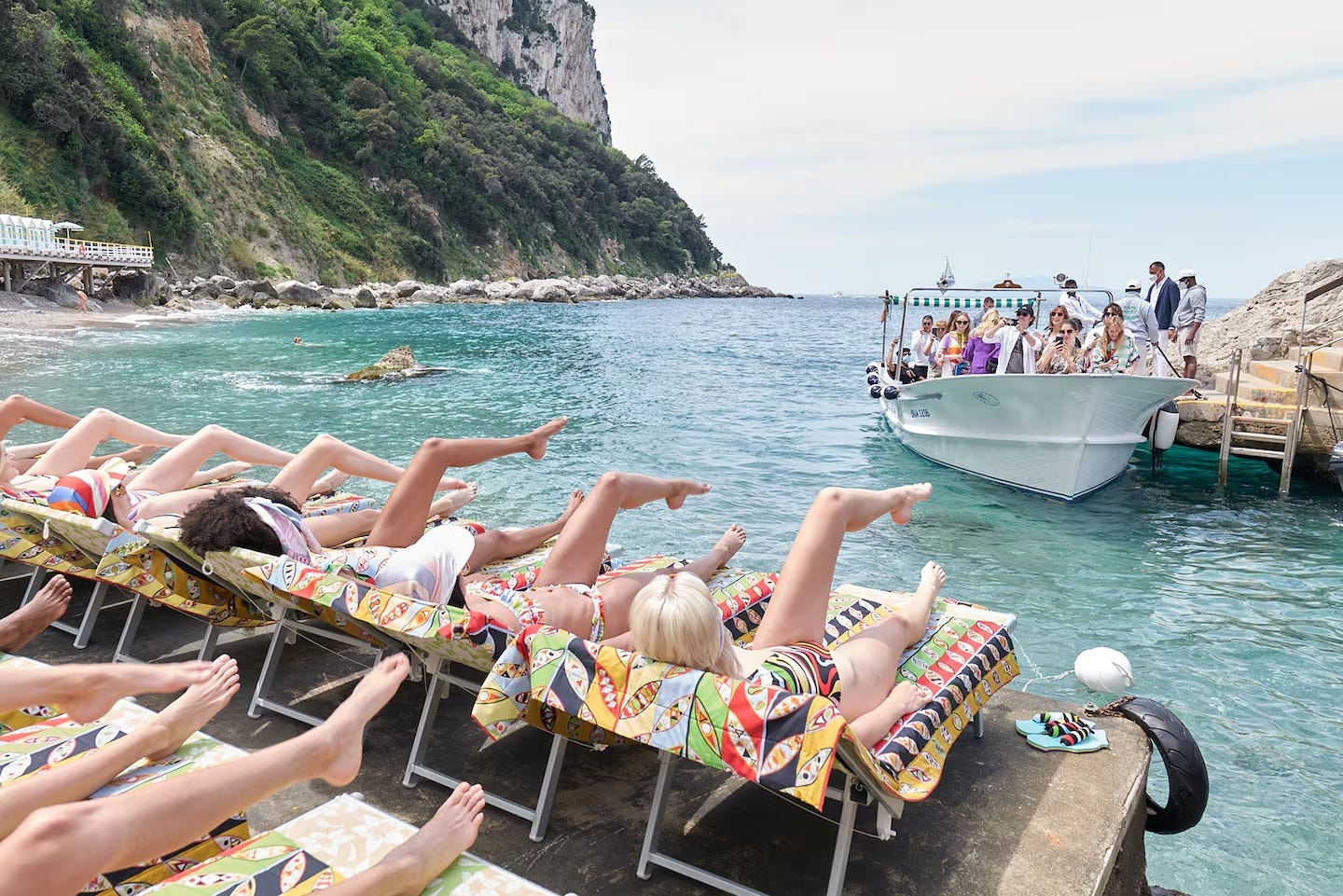
How do you get it right? Status is the driver - design the experience for recognition, not reach. Mytheresa has long held a focus on wooing top tier clients and continues to see this investment pay off. Last quarter its average spend per top customer grew 18 percent. After years of delivering both high-production and exclusive experiences, their VIC programme has a status of its own. From the Pucci takeover of Capri and visits to Alaia’s knitwear factory to invitations to Brunello Cucinelli’s 70th birthday celebrations.
3. Entertainment: The Most Misunderstood
This is where many brands trip up. Perhaps it’s the hangover from the democratisation of fashion, or the result of luxury trying to mimic the attention-hacking behaviours of mass advertising.
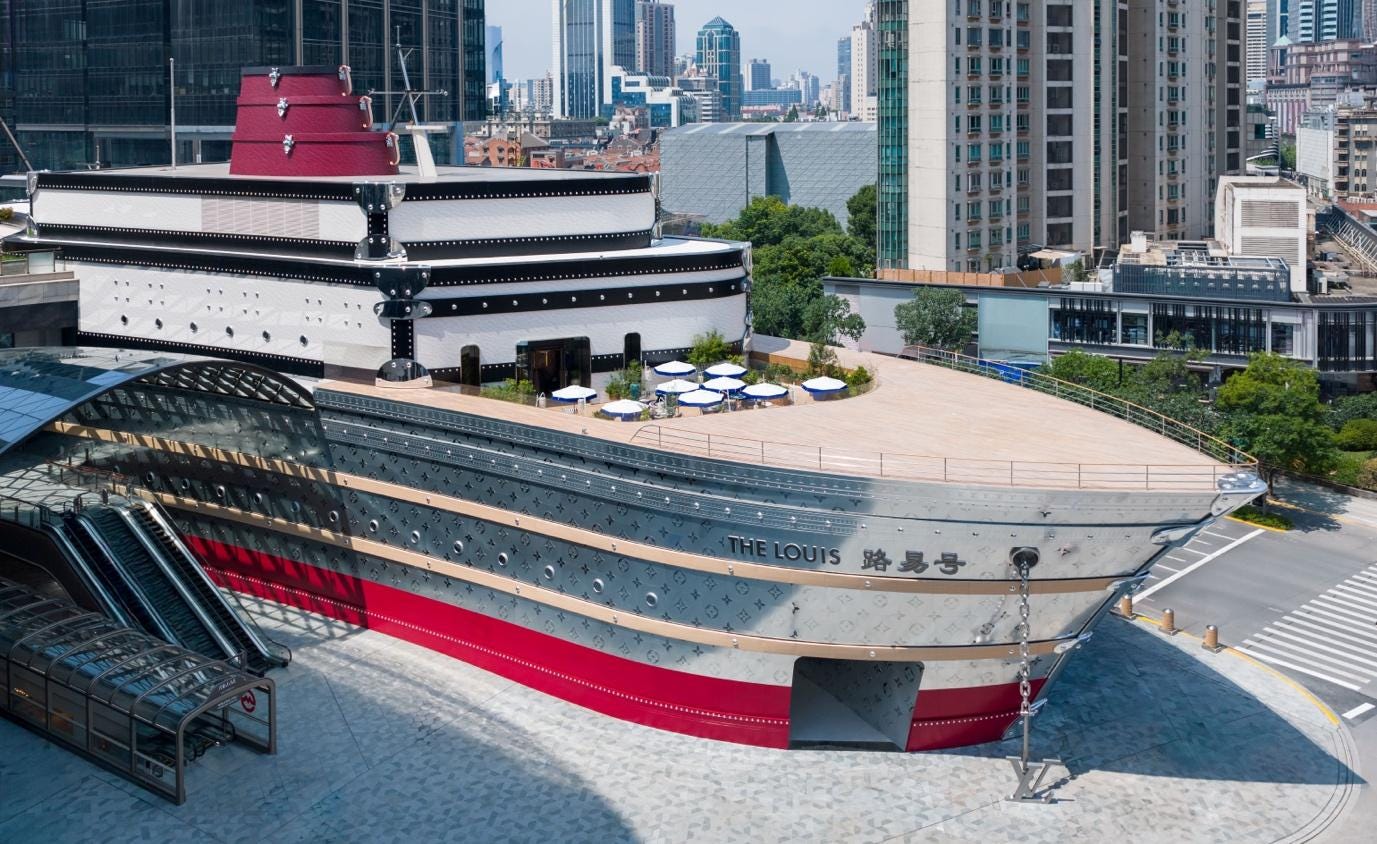
Despite the slowdown the luxury industry is still full of spectacle. From Tesla’s 1950s diner gimmick in LA to Louis Vuitton’s ship-shaped flagship in Shanghai. Big builds and bold concepts designed to “wow.” And while they might generate footfall or go viral, these stunts often miss the mark for ultra-high-net-worth clients seeking meaning or recognition. (See above).
Mass entertainment isn’t inherently bad - it can be joyful. And necessary as part of the wider brand world. I’m entertained by Loewe’s TikTok. ‘The Louis’ is an awesome monument to brand. But on its own, entertainment rarely meets the deeper needs of today’s UHNW consumers who are seeking the oxytocin of intimacy, not the dopamine of virality. If you want your brand experiences to be sought after by the top-tier customer they can’t also be part of your social media play. (There’s another consideration here too: fuelled by concerns over security, the UHNWI is becoming more private and selective.)
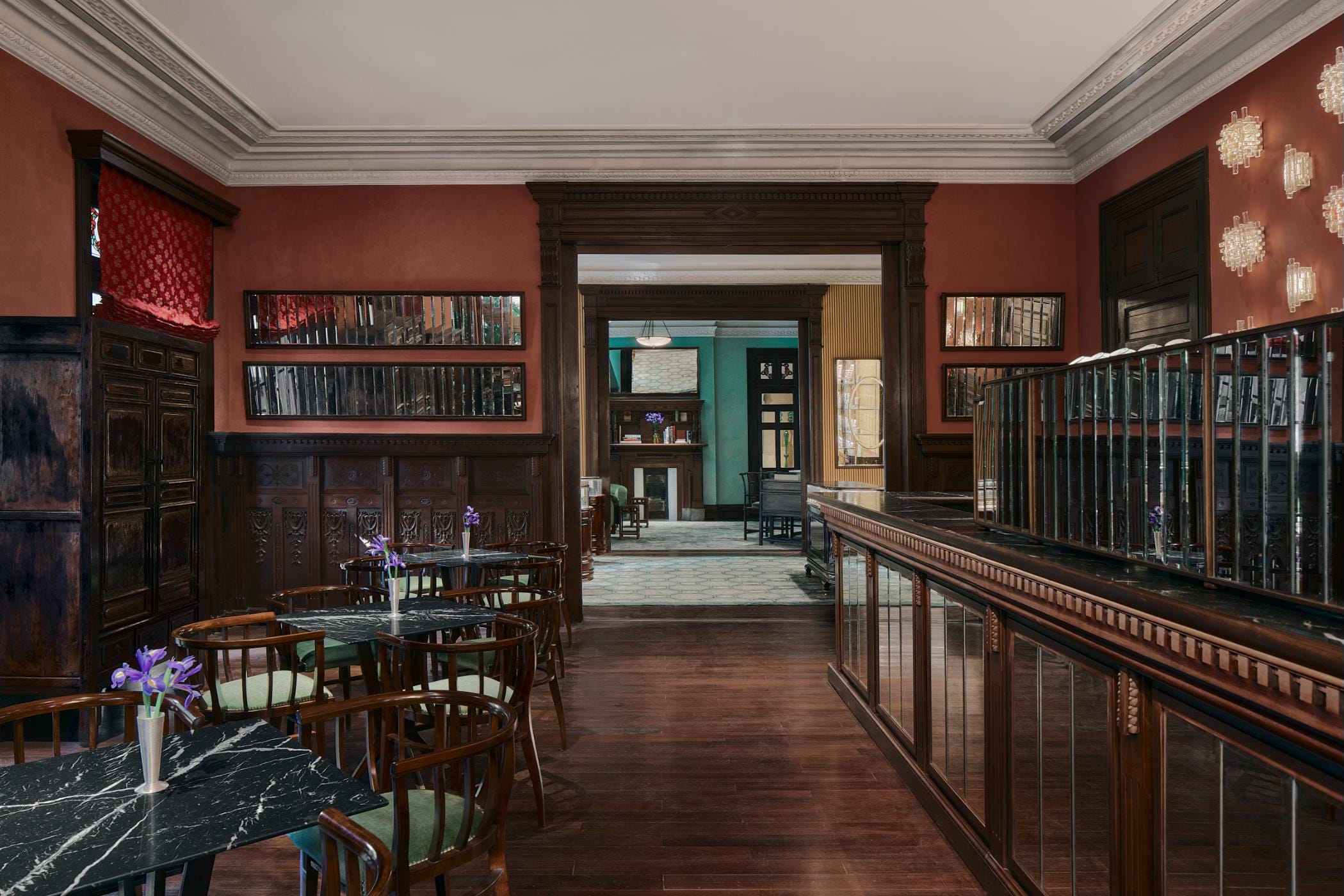
How do you get it right? It may be entertaining, but if it doesn’t serve connection or status, you’re building for attention not affinity, and therefore it’s not your top-tier strategy. Looking east again, Prada’s Mi Shang restaurant in Shanghai balances experiential with culture. Designed by director Wong Kar Wai it is a rare space achieving both accessibility and exclusivity: connection, status and entertainment.
Final thought?
The slowdown is real. But it’s not a reason to panic.
It’s a reason to go deeper. To really understand who you are trying to reach and what they need from you.
Experiences should be your quiet engine.
Because when it comes to the top-tier, the brands that win aren’t the ones doing the most, they’re the ones doing what matters.
The Psychology of Luxury Consumption, David Dubois, SungJin Jung and Nailya Ordabayeva